September 8, 2026
Preventative tree care can help property owners address potential hazards before they become more serious concerns. Trees can develop damaged, overgrown, leaning, or otherwise hazardous conditions that may affect nearby structures, vehicles, landscaping, and people. Professional tree services can address these situations with appropriate trimming, assessment, removal, or cleanup services, helping property owners respond to concerns before they become more disruptive.
Addressing problematic trees and branches can also help property owners manage conditions that may interfere with normal use of outdoor spaces. Depending on the situation, professional services may involve evaluating a hazardous tree, trimming problematic growth, removing a damaged tree, or clearing debris left behind after tree work or severe weather.
1. The Assessment of Tree Hazards
Assessing Tree Risks
Hazardous tree assessment can help identify trees that may pose risks to people or property. Trees that are damaged, leaning, dead, or otherwise compromised may require professional evaluation to determine whether trimming or removal is appropriate. An assessment can also help identify conditions that may become more concerning after severe weather or other damage.
Evaluating Damaged Trees
Damage can affect a tree's condition and create concerns for surrounding areas. Professional evaluation can help determine whether a damaged tree requires trimming, removal, or another tree service. This can be particularly relevant after storms, when broken limbs, leaning trees, and fallen trees may create hazards around homes and other structures.
Responding to Tree Hazards
When a tree presents an immediate concern, emergency tree service can address the situation. Fallen or damaged trees may obstruct areas of a property or create hazards near structures. Professional emergency removal and cleanup can help clear affected areas and address trees that require prompt attention.
Planning Tree Removal
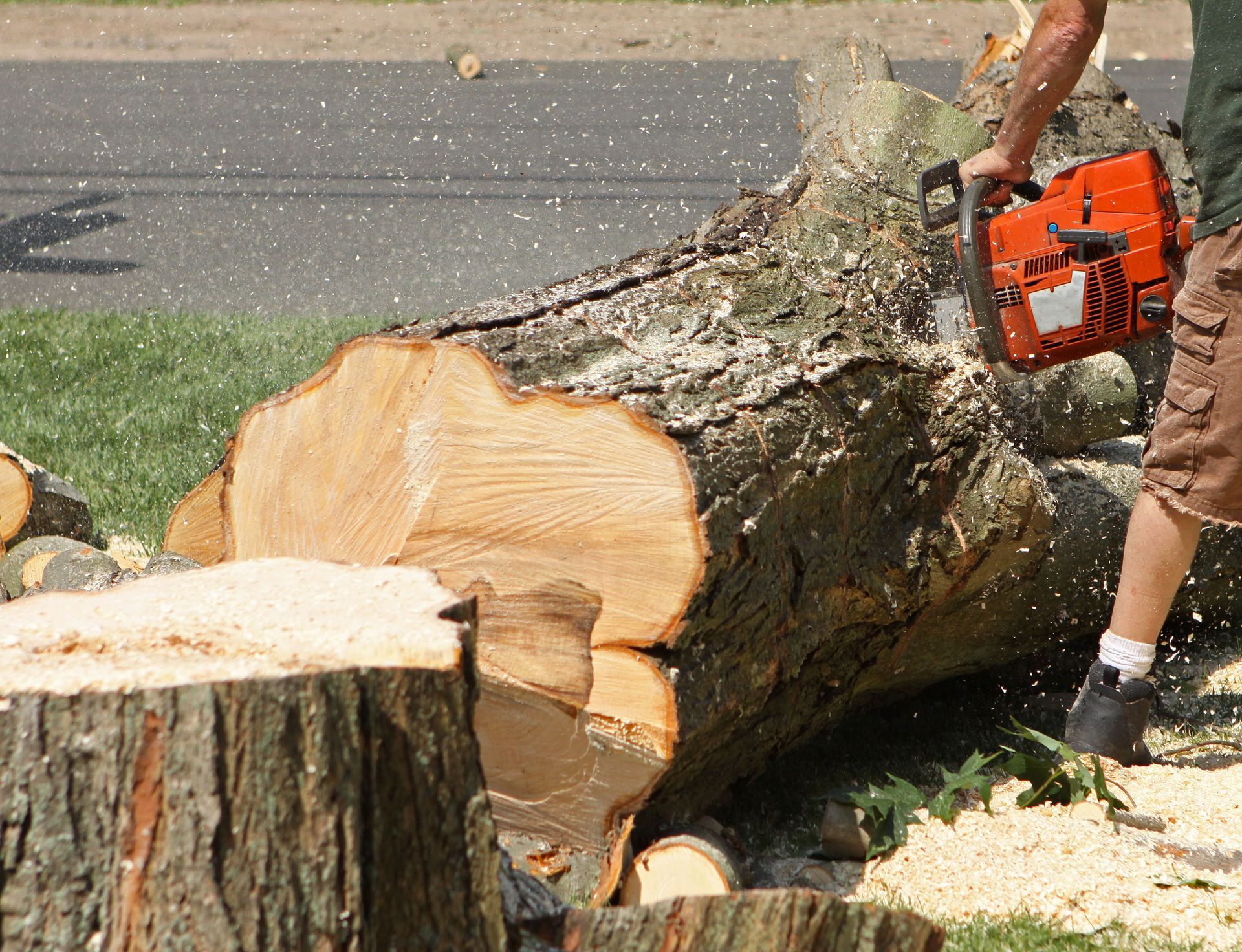
When a tree needs to be removed, the appropriate approach depends on its location, condition, size, and surroundings. Professional tree removal can address trees that are hazardous, damaged, unwanted, or interfering with a property project. Planning the work appropriately can help account for nearby structures, landscaping, driveways, and other areas that need to remain clear.
2. The Practice of Tree Trimming
Trimming Overgrown Branches
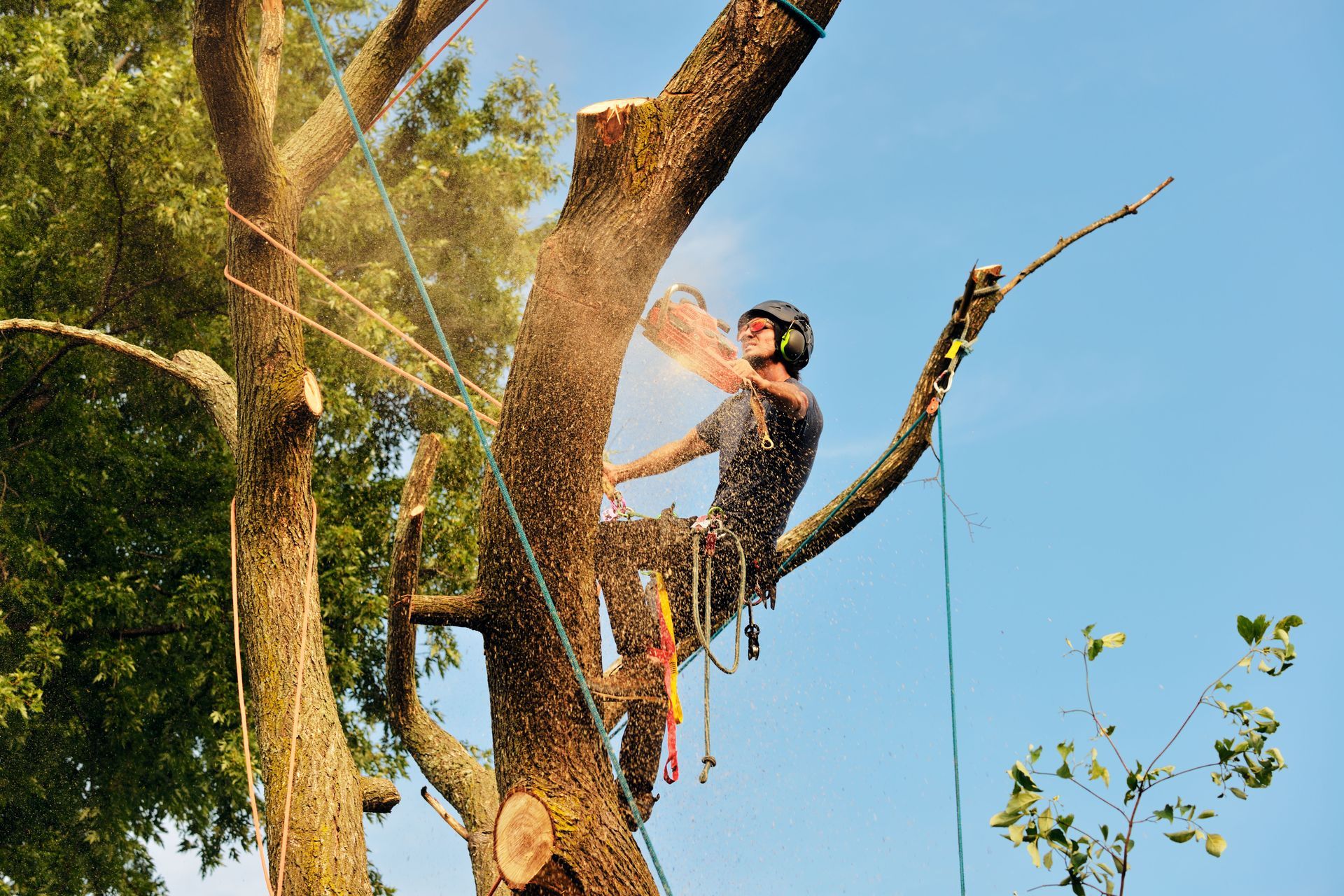
Tree trimming can address overgrown, damaged, or unwanted branches. Removing selected branches can help clear areas around structures and other property features while addressing branches that may create safety concerns. Professional trimming is particularly useful when trees have grown into areas where their branches interfere with the surrounding property.
Pruning Problematic Growth
Pruning can address branches that have become overgrown, damaged, or problematic for the surrounding property. Depending on the tree and its condition, selective trimming can help manage branches that extend toward buildings, driveways, landscaping, or other areas where they may create concerns. Addressing these branches can help maintain clearer areas around the property.
Removing Hazardous Limbs
Damaged, dead, or otherwise hazardous limbs can create concerns when they are located near people, structures, vehicles, or other areas of a property. Professional tree trimming and removal can address problematic limbs while helping clear potentially hazardous material from the surrounding area. This service can be especially useful when damaged limbs remain in areas where they may interfere with normal property use.
Removing Damaged Branches
Removing damaged branches can address limbs affected by storms, breakage, or other physical damage. Professional tree services can determine whether individual branches can be trimmed or whether a larger section of the tree requires removal. Clearing damaged material can also help address immediate concerns around the property.
Trimming Around Structures
Tree branches can extend toward homes, buildings, driveways, and other areas of a property as trees grow. Professional trimming can address branches that interfere with these areas and help maintain appropriate clearance around the surrounding property. This can also help address branches that have become problematic because of their location.
3. The Response to Storm Damage
Responding to Storm Damage
Severe weather can leave trees broken, leaning, or fallen across a property. Emergency tree services can address storm-damaged trees and branches when they create concerns that require prompt attention. Professional removal can help clear damaged trees from affected areas and address hazards created by storm conditions.
Removing Fallen Trees
Fallen trees can block driveways, yards, and other parts of a property. They can also come into contact with homes and other structures. Professional tree removal can clear fallen trees and address the remaining debris so the affected area can be used again.
Clearing Storm Debris
Storm damage can leave behind branches, limbs, logs, and other tree debris. Professional cleanup services can remove this material after a storm or tree removal project. Clearing the work area helps address the remaining effects of storm damage and keeps unwanted debris from occupying the property.
Addressing Urgent Hazards
Some tree conditions require attention before they result in additional property damage. Trees that are leaning, damaged, or otherwise hazardous may require emergency removal when they present an immediate concern. Prompt professional service can address these situations and help clear the affected area.
4. The Removal of Stumps and Property Debris
Clearing Remaining Stumps
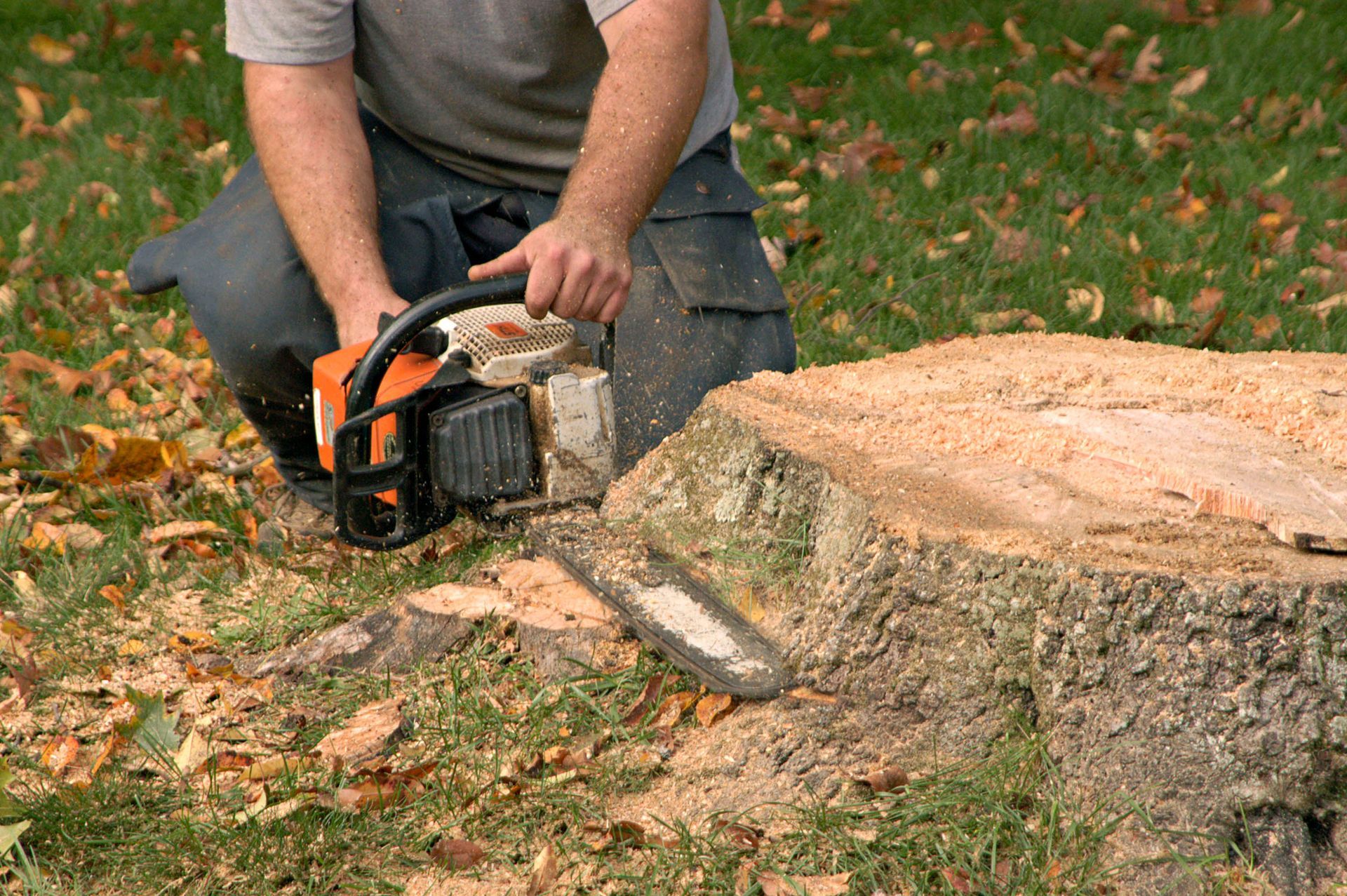
Tree removal can leave a stump behind that interferes with the use or appearance of a property. Stump grinding and stump removal can address these remaining portions of removed trees and help clear space for future property use. These services can also help address stumps that remain after other tree work has been completed.
Addressing Stump Hazards
Remaining stumps can create obstacles in areas where people walk, maintain landscaping, or use outdoor spaces. Professional stump services can help address these remnants after tree removal and clear the affected area. Removing the stump can leave the space more suitable for its intended use.
Preparing Cleared Areas
Removing stumps can also help prepare an area for subsequent landscaping or other property projects. Once unwanted tree material has been addressed, the cleared space can be used for the property's next phase. This can be useful when existing tree remnants interfere with planned work.
Clearing Land for Projects
Land clearing can remove trees and vegetation when an area needs to be prepared for construction, landscaping, or other property work. Professional clearing services can help create usable space while addressing trees and other material that stand in the way of the project. Clearing can help make the intended area more accessible for subsequent property work.
Removing Tree Debris
Tree removal and storm damage can leave behind branches, logs, and other debris. Cleanup services can address this material after the primary tree work is complete, helping leave the affected area clearer and more manageable. Removing this debris can also help restore usable space around the property. Clearing branches, logs, and other unwanted tree material can make it easier to use and maintain the affected area after tree work has been completed. Professional debris cleanup can also help address remaining material after storm-related tree services, leaving the property more orderly once the work is finished.
Professional tree services can help property owners address hazardous trees, damaged limbs, storm-related concerns, unwanted stumps, and areas that require clearing. According to RubyHome, leaks and storm damage are tied as the top reasons for a roof replacement, each driving 33% of homeowners to upgrade. Tree-B-Gone of Green Bay offers tree removal, emergency tree services, storm damage cleanup, trimming, stump services, land clearing, and debris cleanup throughout Northeast Wisconsin, so property owners can learn more about available tree care services and find an appropriate option for their property.