October 22, 2026
Trees provide shade, improve air quality, support wildlife, and enhance the appearance of residential and commercial properties. However, aging trees, storm damage, disease, and structural weaknesses can create safety concerns that require professional attention. Knowing when a tree needs to be removed is an important part of responsible property management.
Experience plays a significant role in making these decisions safely and efficiently. Professionals who have worked with different tree species, environmental conditions, and removal challenges can better assess potential hazards and determine appropriate solutions. Choosing experienced specialists for local tree removal helps property owners protect their homes, surrounding landscapes, and nearby structures while making informed decisions about tree care.
Understanding Tree Health and Longevity
Recognizing the Factors That Affect Tree Lifespans
Tree longevity depends on several factors, including species, soil conditions, water availability, climate, and exposure to pests and diseases. Some trees naturally live for centuries, while others have much shorter lifespans. Even trees with long life expectancies can decline prematurely when environmental stress or improper care affects their health.
Urban and suburban trees often face additional challenges. Compacted soil, limited growing space, construction damage, and changing weather patterns can weaken their root systems and reduce their ability to withstand storms. Regular inspections and appropriate maintenance can help identify these problems before they become serious hazards.
Understanding a tree's natural lifespan and current condition helps property owners decide whether preservation or removal is the most appropriate option. Experienced professionals can evaluate visible damage, structural stability, and surrounding conditions before recommending a course of action.
Identifying Signs of Declining Tree Health
Several warning signs may indicate that a tree is becoming unstable or unhealthy. Large dead branches, deep trunk cracks, extensive decay, leaning trunks, and exposed or damaged roots can signal structural problems. Fungal growth around the trunk or root flare may also indicate internal decay, although professional assessment is necessary to determine the extent of the damage.
Not every unhealthy tree requires removal. Pruning, improved growing conditions, or targeted treatment may help preserve a tree that still has a stable structure. However, when deterioration creates an unacceptable risk to people or property, removal may be the safest option.
Professional evaluations help distinguish manageable health concerns from serious structural threats. This approach supports responsible decisions while reducing the likelihood of unnecessary removal or delayed action when a tree presents a genuine hazard.
Recognizing the Benefits of Experienced Tree Services
Improving Safety and Reducing Property Risks
Removing a tree involves more than cutting through its trunk. Large branches can fall unpredictably, trunks may shift as cuts are made, and root systems can affect nearby foundations, sidewalks, and underground utilities. Trees located near buildings, driveways, fences, or power lines require careful planning to prevent avoidable damage.
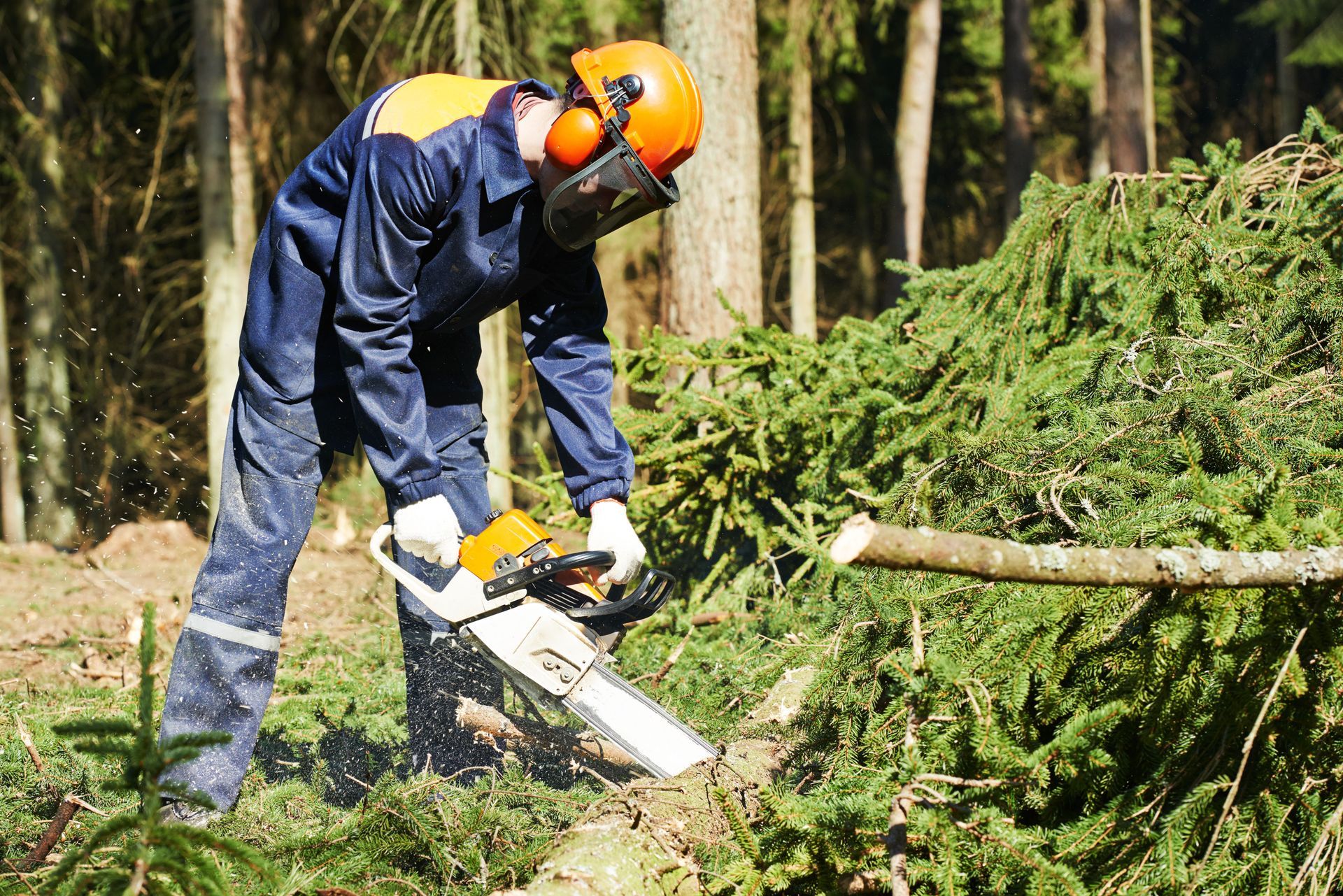
Experienced crews assess the tree's size, condition, lean, and surroundings before beginning work. They can determine how to dismantle the tree in manageable sections, establish appropriate safety zones, and select equipment suited to the site. These precautions help protect workers, occupants, and neighboring properties.
When arranging local tree removal, property owners should prioritize companies that understand safe cutting practices, equipment operation, and site-specific hazards. Proper preparation is particularly important when removing storm-damaged trees or large specimens with compromised structural integrity.
Supporting Efficient and Responsible Removal
Experience also improves efficiency. Professionals who regularly handle challenging tree projects can anticipate potential obstacles, coordinate their crews, and complete work with fewer unnecessary disruptions. Their familiarity with different tree species and growth patterns helps them select appropriate techniques for each situation.
Responsible removal also includes managing the resulting debris. Depending on the project and the agreed-upon services, crews may cut branches into manageable pieces, process brush, remove wood, or leave suitable material for the property owner. Discussing cleanup expectations beforehand helps prevent misunderstandings about what the project includes.
According to Up To Date Daily, approximately 18% of U.S. tree service firms have been in business for more than 30 years, showing trust, consistency, and sustained value in the field. A company's longevity can indicate established experience, although property owners should also evaluate its safety practices, communication, insurance, and reputation.
Managing the Challenges of Local Tree Removal
Navigating Regulations and Property Requirements
Tree removal requirements vary by municipality, property type, and tree location. Some communities regulate the removal of protected trees, trees in public rights of way, or specimens within designated conservation areas. Homeowners' associations may also establish landscaping rules that affect removal decisions.
Before scheduling work, property owners should determine whether permits or approvals are necessary. Requirements may differ for hazardous trees, protected species, and trees located near public infrastructure. Assuming that every tree on private property can be removed without restrictions may lead to delays, fines, or other complications.
Experienced professionals can help identify potential regulatory concerns and explain what questions should be addressed before work begins. Property owners should still verify applicable requirements with the appropriate local authorities and obtain any necessary approvals.
Addressing Weather and Environmental Conditions
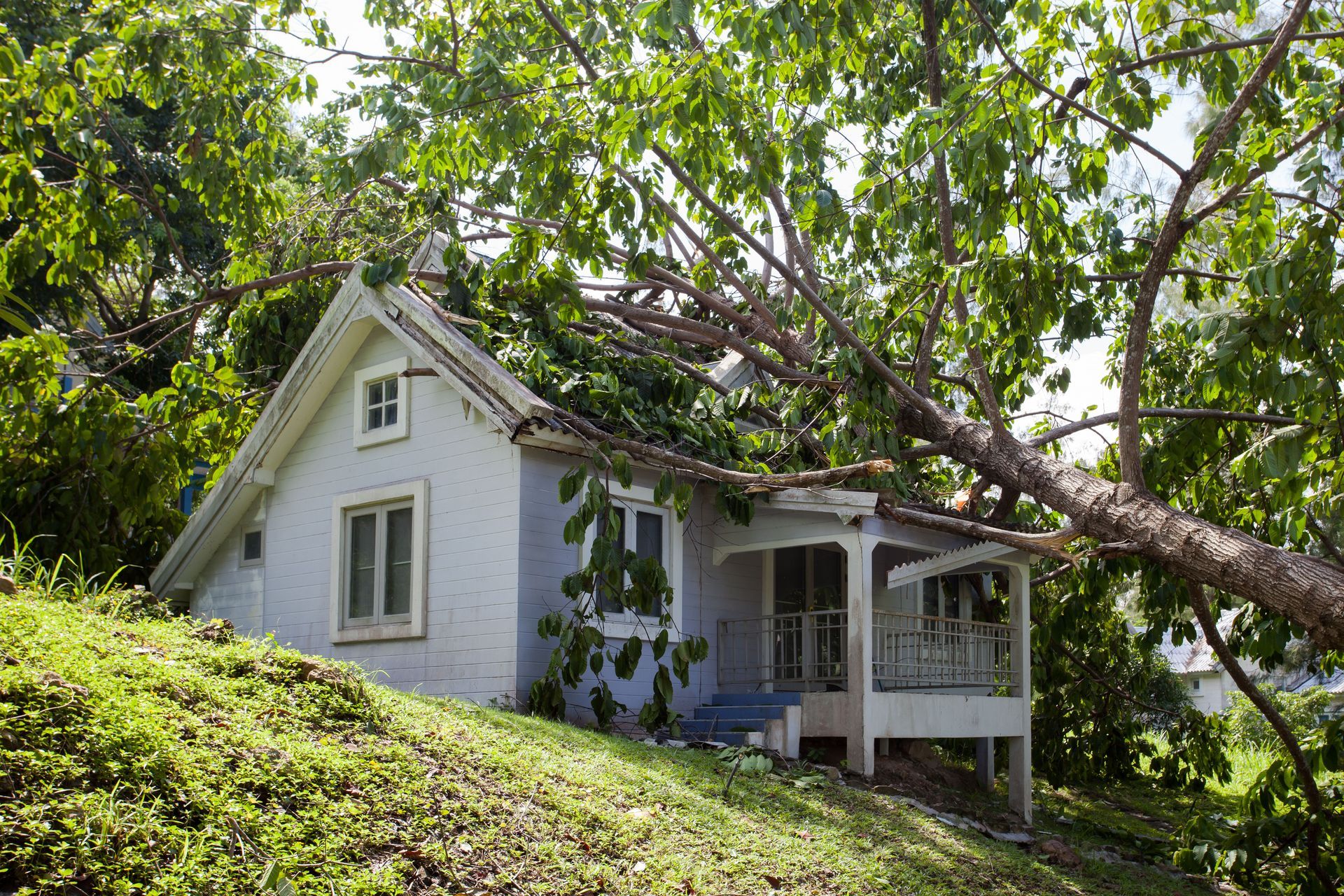
Weather can make local tree removal more complicated. Strong winds, heavy rain, snow, and icy conditions can affect equipment stability, visibility, and the predictability of falling limbs. Storm-damaged trees may also contain hidden fractures that make them especially difficult to handle safely.
Professional crews consider current conditions when planning a project and may postpone work when the risks are too high. They also account for nearby landscaping, drainage patterns, soil stability, and structures that could be damaged during the process.
Environmental considerations matter even when removal is necessary. Identifying nearby plants, wildlife habitats, and valuable landscape features can help minimize unnecessary disturbance. Where appropriate, property owners can discuss replacement planting to maintain shade, visual appeal, and other benefits that the removed tree once provided.
Choosing the Right Tree Removal Professionals
Evaluating Experience and Qualifications
Not all local tree removal projects present the same challenges. A small tree in an open yard may require different equipment and techniques than a mature tree leaning over a garage. Selecting a qualified company means finding professionals whose experience matches the project's size, location, and complexity.
Property owners should ask about relevant experience, insurance coverage, worker safety procedures, and the equipment used for difficult removals. Written estimates should clearly explain the planned work, cleanup responsibilities, and any additional services. Comparing these details provides a more useful basis for choosing a provider than relying on price alone.
Clear communication is equally important. A dependable company should explain why removal is recommended, discuss practical alternatives when appropriate, and identify potential complications before work starts. This transparency helps property owners understand the process and make decisions that suit their needs.
Balancing Removal With Long-Term Landscape Care
Local tree removal is sometimes necessary, but preserving healthy trees can offer lasting environmental and financial benefits. Before approving a project, property owners may benefit from an assessment of whether pruning, treatment, or other maintenance could address the underlying concern.
When removal is unavoidable, planning for the future can help maintain the property's appearance and functionality. Choosing a suitable replacement species, allowing enough room for mature growth, and considering soil and sunlight conditions can reduce future maintenance challenges.
Thoughtful planning also helps prevent recurring conflicts between trees and buildings, driveways, or utility lines. By considering both immediate safety and long-term landscape needs, property owners can make more sustainable decisions about their outdoor spaces.
Protecting Property Through Informed Decisions
Tree longevity benefits communities, wildlife, and property owners, but keeping every tree indefinitely is not always practical or safe. Disease, structural damage, environmental stress, and changing property needs can make removal the responsible choice. Understanding these factors helps property owners balance preservation with safety.
Professional expertise is especially valuable when a tree is large, damaged, or located close to structures and utilities. Experienced crews can assess hazards, plan appropriate removal techniques, and manage the work with attention to surrounding property. Careful preparation and clear communication also help make the process more predictable.
For dependable guidance and professional assistance with tree concerns and local tree removal, contact Tree-B-Gone of Green Bay to discuss your property's needs. Whether a tree presents a safety risk or requires a closer evaluation, working with experienced professionals can help you make informed decisions and protect your landscape for years to come.