October 23, 2026
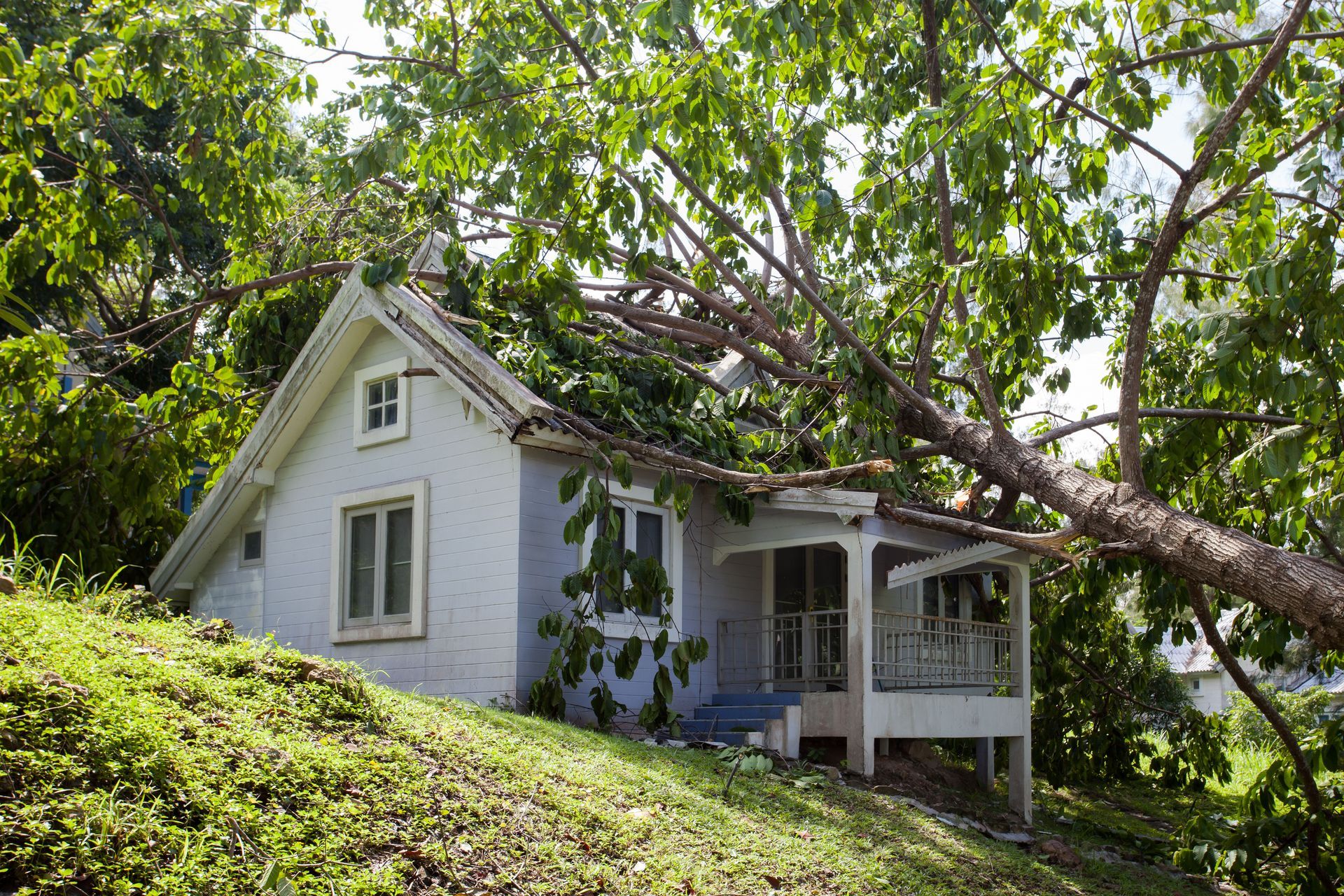
Few things are as frightening as hearing a loud crack followed by the crash of a tree landing on your home. Whether it happens during a summer thunderstorm, a heavy snowfall, or a winter ice storm, a fallen tree can cause serious damage in an instant. Roofs can be punctured, windows shattered, gutters torn away, and power lines pulled down. In the moments that follow, it's easy to feel overwhelmed and unsure of what to do first. Knowing the right steps ahead of time can help you stay safe, protect your property, and get your home back to normal as quickly as possible. Here's what to do if a tree falls on your house and how to reduce the risk of it happening again.
Putting Safety First
Your first priority after a tree strikes your home is the safety of everyone inside. If the tree has broken through the roof, damaged walls, or caused ceilings to sag, leave the house immediately and move to a safe location away from the structure. Falling debris, unstable framing, and shifting branches can all pose serious risks. If anyone is injured or trapped, call 911 right away. Even if no one is hurt, avoid going back inside until the home has been checked for structural damage. Be especially cautious at night or during ongoing storms, when visibility is poor and additional branches or trees may still fall. Keep children and pets away from the affected area, and don't let curiosity draw anyone close to the damage.
Watching for Downed Power Lines
Falling trees often bring power lines down with them, creating a serious electrical hazard. Always assume that any downed or sagging line is live and dangerous, even if it isn't sparking. Stay at least 30 feet away from the lines and anything touching them, including the tree itself, fences, puddles, and parts of your home. Contact your utility company immediately to report the downed lines so crews can shut off power and make the area safe. If you smell gas or suspect a gas line has been damaged, leave the area and call your gas provider or emergency services from a safe distance. Never attempt to move branches or touch a tree that may be in contact with electrical lines.
Documenting the Damage
Once everyone is safe and immediate hazards have been addressed, start documenting what happened. Take clear photos and videos of the tree, the point of impact, and all visible damage to your roof, siding, windows, gutters, vehicles, and landscaping. Capture both wide shots that show the full scene and close-up images that highlight specific damage. If it's safe to do so, photograph interior damage such as water leaks, broken drywall, or damaged belongings. Write down the date and time of the incident, along with notes about the weather conditions. This documentation will be valuable when filing an insurance claim and can help support your case if there are any questions about the cause or extent of the storm damage.
Contacting Your Insurance Company
Call your homeowners insurance provider as soon as possible to report the incident and begin the claims process. Many policies cover damage to your home caused by a falling tree, especially when the tree came down due to wind, lightning, ice, or snow. Coverage for tree removal may also be included, though limits can vary depending on your policy. Your insurance company may send an adjuster to inspect the damage, so keep your photos and notes ready. Ask about coverage for temporary repairs, debris removal, and additional living expenses if your home isn't safe to stay in. Save receipts for any emergency expenses, such as tarps, hotel stays, or emergency tree services, since these costs may be reimbursed.
Preventing Further Damage to Your Home
After a tree damages your roof or walls, your home may be exposed to rain, snow, and wind. Taking steps to prevent further damage is important, and most insurance policies expect homeowners to make reasonable efforts to protect their property. This might include covering holes in the roof with tarps, boarding up broken windows, or moving belongings away from leaks. However, this work should only be done when it's safe and should not involve climbing onto a damaged roof or working near a fallen tree. In most cases, the safest approach is to have professionals handle emergency tree removal and temporary protection so the tree can be removed and the structure secured without causing additional harm.
Calling Professionals for Tree Removal
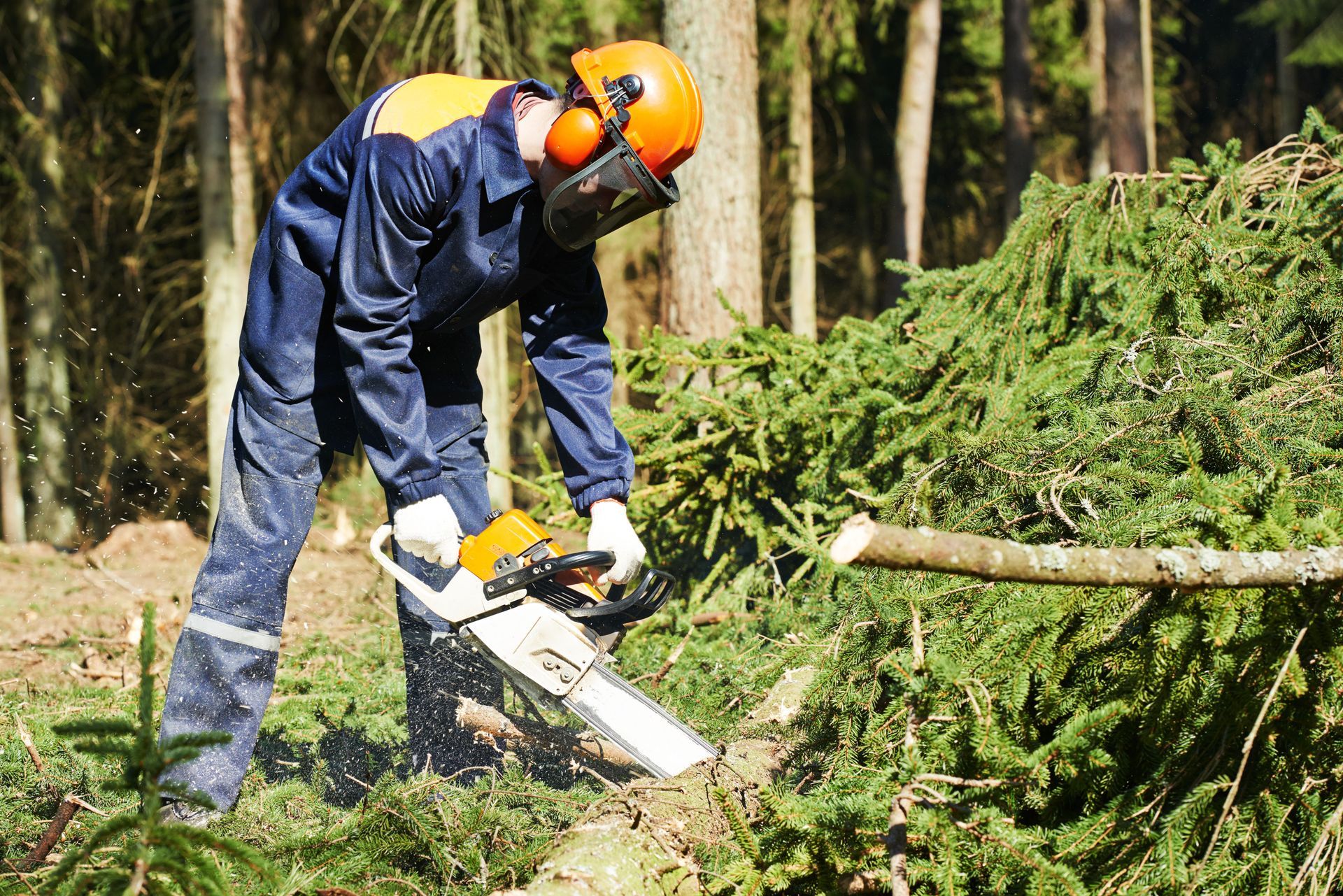
Removing a tree from a house is one of the most dangerous jobs in tree care and should never be attempted by homeowners. A fallen tree may be under extreme tension, and cutting it in the wrong place can cause it to shift, roll, or snap unexpectedly, leading to serious injury or more damage to your home. Professional tree crews use specialized equipment such as cranes, rigging systems, and bucket trucks to lift and remove trees safely in controlled sections. They also understand how to work around damaged structures and power lines. Prompt removal allows roofers and contractors to begin repairs sooner, helping you restore your home after storm damage more quickly and safely.
Inspecting Other Trees on Your Property
Once the fallen tree has been removed, it's wise to have the rest of the trees on your property evaluated. The same storm that brought down one tree may have weakened others, leaving cracked limbs, split trunks, or loosened root systems. Signs of a hazardous tree include leaning trunks, dead branches, fungal growth near the base, cavities, and peeling bark. Interior decay is another major concern. According to the University of Maryland, removal should be considered when a third or more of a tree's interior is hollow or rotten. A professional inspection can help identify trees that pose a risk to your home so they can be trimmed or removed before the next storm hits.
Reducing the Risk of Future Storm Damage
While you can't control the weather, you can reduce the chances of a tree falling on your home. Regular trimming removes dead, weak, or overextended branches that are more likely to break during high winds or under the weight of snow and ice. Thinning dense canopies allows wind to pass through more easily, reducing stress on the tree. Trees growing too close to your home, especially those that lean toward the house or overhang the roof, may need to be removed altogether. Proper planting choices also matter, since some species are more prone to breakage than others. Wisconsin's strong summer storms and heavy winter snow put extra strain on trees, making routine care especially important for preventing storm damage.
At Tree-B-Gone of Green Bay, we understand how stressful it is when a tree falls on your home, and we're here to help when you need it most. Our experienced team provides safe, efficient tree removal for homeowners dealing with storm damage, using the right equipment to remove fallen trees without causing further harm to your property. We also offer tree inspections, trimming, and removal of hazardous trees to help protect your home before the next storm arrives. From emergency cleanup to long-term tree care, we're committed to keeping Green Bay families and their homes safe. If a tree has fallen on your house or you're concerned about trees near your home, contact Tree-B-Gone of Green Bay today for fast, reliable service.