August 21, 2026
Trees contribute immeasurably to the beauty, environmental health, and monetary value of residential and commercial properties. They provide shade, improve air quality, and establish a natural landscape that elevates entire neighborhoods. However, trees are living organisms subject to disease, decay, structural failure, and environmental stress. When a tree becomes structurally compromised or infected with severe pathogens, it transforms from a valuable asset into a hazardous liability. Recognizing when a tree can no longer be saved is crucial for property owners who wish to maintain a secure and thriving outdoor environment.
Identifying Hazardous Conditions and Mitigating Environmental Risks
Damaged or deteriorating trees frequently display subtle indicators long before structural failure occurs. Deep trunk cracks, severe lean, hollow trunks, and large dead branches within the canopy are prime indicators that a tree is losing its structural integrity. Fungal growth around the base or major root flares often signals internal heartwood rot, which severely weakens the anchor of the tree. When heavy winds, ice accumulation, or saturated soils impact these compromised specimens, the likelihood of a sudden collapse rises dramatically. Routine assessments by certified arborists ensure these physical signs are caught and evaluated before catastrophic failure takes place.
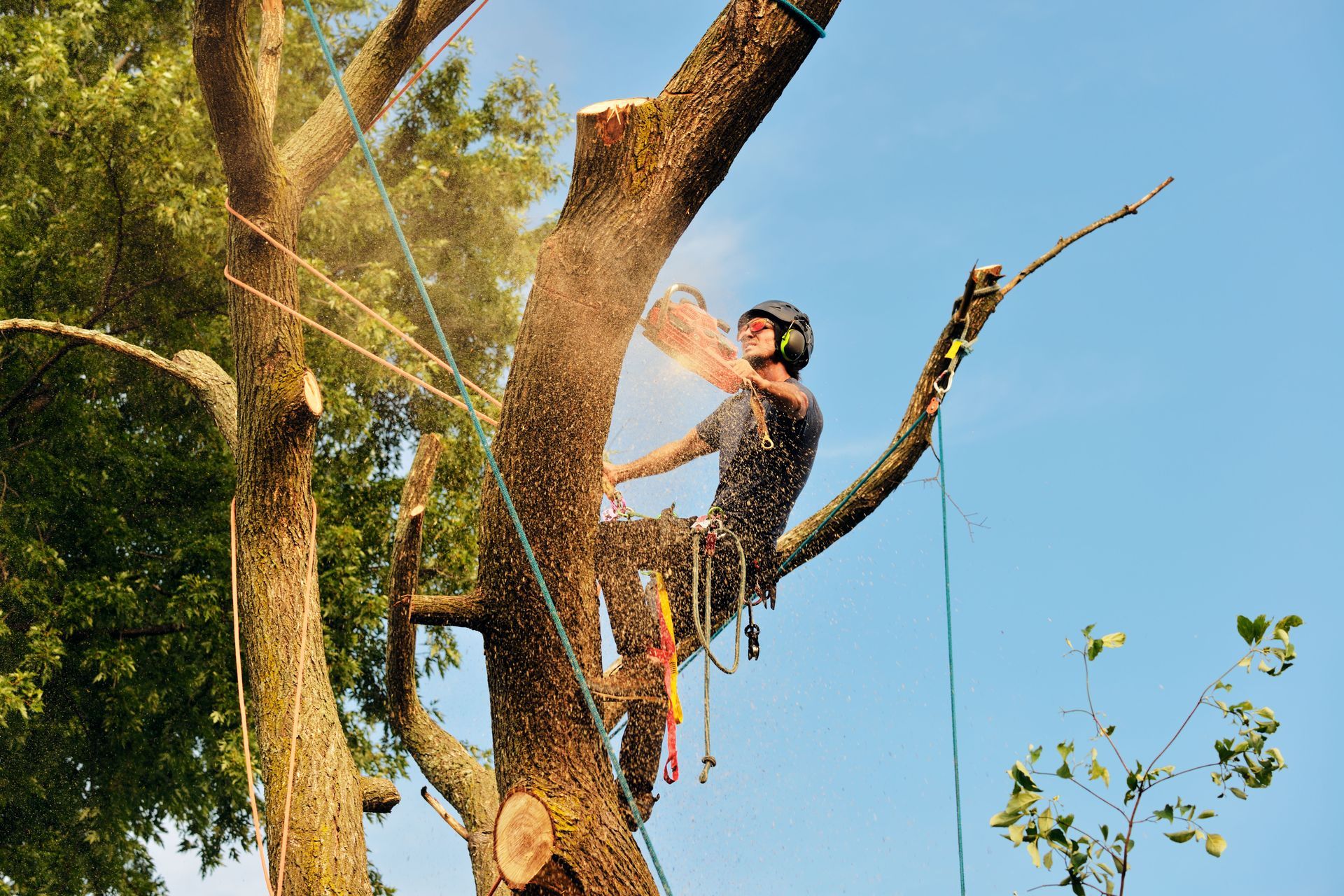
Unmanaged tree diseases present an insidious threat to physical property and human safety. Fungal and bacterial infections invade vascular tissue, gradually hollow out structural limbs, and destroy root systems covertly beneath the soil line. As internal decay progresses, limbs lose their flexibility and strength, becoming susceptible to snapping off during moderate weather events. Treating infected trees is sometimes viable in early stages, but advanced decay leaves severe instability as the only remaining reality. Executing a tree removal before severe weather strikes remains the most reliable strategy to prevent falling timber from crushing vehicles, outbuildings, or residential homes.
Failing to address visible tree hazards can result in severe financial penalties, personal liability, and irreversible losses. Case studies across municipal and private sectors consistently demonstrate that ignoring hazardous tree warnings leads to severe outcomes, including destruction of parked vehicles, crushed roofs, and personal injury. Courts and insurance providers routinely classify known dead or decayed trees as pre-existing liabilities, often denying coverage claims when neglect is proven. Proactive hazard mitigation through professional evaluation and removal eliminates dangerous conditions, preserving both peace of mind and physical property integrity.
Protecting Property Structures and Vital Local Utilities
Overgrown tree canopies and unstable limbs present a continuous hazard to overhead power lines and utility service drops. When tree branches grow into electrical conductors, friction can wear down wire insulation, leading to dangerous electrical arcing, localized power outages, and catastrophic wildfires. During major storms, heavy branches falling across power lines disrupt essential power networks for entire communities and create severe shock hazards for ground occupants. Strategic tree removal near primary power corridors eliminates these persistent safety risks, maintaining continuous electrical supply and preventing life-threatening grid failures.
Below the surface, extensive root networks seek moisture and nutrients, frequently penetrating building foundations, retaining walls, and underground municipal lines. As roots expand within existing foundation cracks or pipe joints, they exert immense pressure, leading to structural shifts, cracked concrete footings, and severe plumbing blockages. Above ground, large branches extending over roofs scrape away shingle granules, trap moisture against building materials, and encourage moss and rot development. Strategic tree removal prevents costly structural damage, preserving foundational longevity and protecting high-value building envelopes from persistent physical wear.
Enhancing Landscape Aesthetics and Increasing Property Values
Landscape architecture relies on intentional design, spatial balance, and sunlight management to create vibrant outdoor living areas. When trees become overgrown, overcrowded, or misshapen due to poor growth conditions, they obstruct scenic views and crowd out surrounding vegetation. Removing poorly positioned or unsightly trees opens up significant space, allowing property owners to introduce modern landscaping features, outdoor living spaces, or diverse plant selections. Thoughtful tree removal creates space for new foliage, improving overall property functionality, visual harmony, and architectural presentation.
Dense tree cover severely restricts sunlight penetration to ground-level flora, creating heavy shade that starves lawns, ornamental shrubs, and flower beds of necessary light. Turfgrass and understory plantings require adequate light exposure to undergo photosynthesis, develop strong root systems, and resist disease. By selectively removing overgrown or unnecessary trees, property managers restore natural sunlight distribution across the landscape. This increased light exposure rejuvenates understory plantings, fosters thick turf cover, and enhances the biological vitality of the entire garden ecosystem.
A well-maintained landscape directly elevates real estate appeal and market valuation. Potential real estate buyers prioritize properties that demonstrate meticulous maintenance and freedom from immediate safety hazards. Removing dead, dying, or misplaced trees removes visual clutter and reduces perceived buyer risk, making the home significantly more marketable. Real estate assessments confirm that professional landscape management, supported by timely tree maintenance, delivers significant returns on investment by enhancing curb appeal, structural safety, and overall market desirability.
Promoting Ecosystem Health and Supporting Local Flora
Maintaining a healthy landscape requires actively managing resource competition among neighboring trees and plants. In dense stands, trees compete fiercely for limited soil moisture, essential minerals, sunlight, and root space. Weaker or suppressed trees consume valuable groundwater while failing to thrive, stressing adjacent healthy specimens. Removing declining or overcrowded trees frees up subterranean nutrients and improves canopy airflow, enabling the remaining dominant trees to expand their root networks, build disease resistance, and achieve optimal growth capacity.
Diseased trees serve as dangerous vector nodes for invasive insects and virulent plant pathogens within a neighborhood ecosystem. Contagious afflictions, such as oak wilt, emerald ash borer infestations, and Dutch elm disease, spread rapidly from infected wood to healthy surrounding trees through root grafts, windborne spores, or insect vectors. According to Up To Date Daily, when trees are removed due to disease or decay, professionals regularly offer replanting or recycling options that divert up to 95% of wood and debris from landfills, turning waste into mulch, lumber, or firewood. Professional tree removal stops the transmission of pathogens, protecting nearby woodland communities and supporting eco-friendly waste diversion practices.
Navigating Legal Responsibilities and Managing Financial Liabilities
Property owners bear a clear legal duty of care to maintain their land in a safe condition for visitors, neighbors, and the general public. If a hazardous tree or branch falls and inflicts property damage or bodily injury, liability often turns on whether the owner knew or should have known about the danger. Documenting routine professional arborist assessments and taking prompt action to remove identified hazard trees serves as clear evidence of reasonable care. Proactive management protects property owners from costly negligence lawsuits and complex legal disputes.
Navigating home and commercial property insurance policies requires a clear understanding of coverage boundaries regarding tree damage. While standard insurance policies typically cover sudden, accidental tree falls caused by storm events, claims are frequently denied if the insurer determines the tree fell due to pre-existing rot, disease, or neglected maintenance. Understanding municipal laws governing tree removal is crucial, as many local governments require formal permits, environmental reviews, or mandatory replanting ratios before removing mature trees. Ensuring regulatory compliance prevents unexpected fines and legal complications.
Understanding the essential role of professional tree care enables property owners to protect their investments, safeguard their families, and maintain vibrant landscape ecosystems. Addressing hazardous trees promptly eliminates safety risks, preserves structural integrity across buildings and utilities, and fosters long-term environmental sustainability. By combining routine health assessments with strategic removal decisions, you maintain an attractive, safe, and valuable environment for years to come. For more information about the services that we offer, reach out to our incredible team at Tree-B-Gone of Green Bay today!