August 12, 2026
Storms are a force of nature that often leave destruction in their wake. Among the most vulnerable components of a home's immediate environment are the trees that stand tall around it. Although their majesty and shade make them desirable, in the face of a storm, trees can become hazardous liabilities. Tree maintenance plays a crucial role in reducing the risk of damage to homes. This article dives into four ways tree services can help prevent storm damage to your home.
1. Understanding Professional Tree Assessments
Identifying Hazardous Trees
Professional tree assessments are the first step in identifying potentially hazardous trees. Arborists examine various factors such as the age, size, and species of trees to evaluate their risk. Older or diseased trees may pose a substantial threat, as they are more likely to fall or break during a storm. Identifying such trees early can prevent disaster, as removal or reinforcement can be arranged before a storm hits. Homeowners who invest in these assessments can often save significantly in the long run by avoiding storm damage repairs.
Assessing Tree Health
Tree health is a critical indicator of a tree's ability to withstand severe weather conditions. Healthy trees, with robust trunks and branches, are less likely to succumb to wind and rain. Arborists evaluate the overall vitality of trees, inspecting them for signs of disease, decay, or infestation. Regular health assessments can reveal issues that are not apparent to the untrained eye, allowing for interventions that may save the tree or prevent it from becoming a liability. This proactive approach ensures that trees remain both beautiful and safe throughout the year.
Determining Growth Patterns
Growth patterns are another important aspect considered during professional tree assessments. Trees with uneven weight distribution or poor growth patterns are at higher risk of damage during storms. Arborists analyze the direction and density of branches and foliage to predict how a tree might behave in strong winds. By understanding these patterns, necessary adjustments can be made, such as selective pruning or cabling, to bolster structural integrity. This level of detailed analysis is invaluable in safeguarding homes against storm damage.
Evaluating Soil Conditions
Soil conditions play a vital role in the stability of trees. Poor soil can lead to inadequate root systems, increasing the likelihood of trees being uprooted during storms. An arborist's evaluation of soil conditions includes tests for compaction, drainage, and nutrient levels. Correcting soil issues can improve root health, reducing the risk of toppling. As such, soil assessments are a crucial part of comprehensive tree maintenance and storm preparedness.
Utilizing Modern Assessment Tools
Modern assessment tools have revolutionized the way arborists evaluate tree risk. Technology such as ground-penetrating radar, drones, and ultrasound can detect internal decay and structural weaknesses that are invisible externally. These tools provide arborists with precise and detailed insights, helping them make informed decisions on tree care and storm readiness. By using these advanced technologies, homeowners can ensure their trees are in optimal condition, thereby minimizing the potential for damage. Embracing these innovations underscores a commitment to maintaining both safety and the natural beauty of the environment.
2. Tree Pruning and Maintenance
Removing Dead or Dying Branches
Tree pruning is a fundamental component of tree care, particularly in preparing for storms. Removing dead or dying branches is especially crucial as they are prone to breaking and causing damage during high winds. This form of pruning not only enhances the aesthetic appeal of a tree but also significantly decreases the chance of branches falling on roofs, cars, or power lines. Homeowners who enlist professional tree services to handle pruning ensure that it is done safely and effectively. According to the International Society of Arboriculture, nearly 65% of homeowners invest in professional tree trimming as a preemptive measure to prevent storm damage to their homes and power lines, highlighting the importance of this maintenance activity.
Thinning the Canopy
Thinning the tree canopy is another important pruning technique that helps reduce storm damage risk. By removing select branches, arborists can decrease wind resistance, allowing stronger winds to pass through the tree rather than pushing against it. This method reduces the likelihood of trees being uprooted or suffering broken limbs during a storm. Additionally, a thinned canopy enhances light penetration and air circulation, contributing to overall tree health. In this way, strategic thinning supports both the survivability of the tree and the safety of the surrounding property during inclement weather.
Maintaining a Seasonal Schedule
Maintaining a regular seasonal tree care schedule is integral to effective storm damage prevention. Different seasons pose various challenges to trees, such as harsh winter winds or heavy spring rains, and they require specific care measures. By following a seasonal maintenance schedule, homeowners can ensure that their trees receive timely interventions tailored to current weather patterns. This proactive approach helps strengthen trees against upcoming storms and addresses any issues before they escalate. A well-maintained schedule also contributes to the overall health and longevity of the trees in a property.
3. Preventing Root Damage
Installing Root Barriers
To protect homes from storm damage, it is essential to consider the stability provided by healthy root systems. Root barriers are effective installations that guide root growth away from buildings, pavements, and other structures, reducing the likelihood of structural damage during storms. These barriers prevent roots from disturbing foundations while still allowing trees to absorb essential nutrients and moisture. The strategic placement of root barriers ensures that trees remain grounded and stable even in adverse weather conditions. As such, root barrier installations offer a structural safeguard to communities looking to protect their properties from the effects of storms.
Aerating the Soil
Soil aeration is an important practice in promoting root health and preventing potential storm damage. Compacted soil can impede root growth and reduce water penetration, weakening a tree's structural integrity. Arborists employ various aeration techniques, such as core aeration or vertical mulching, to alleviate compaction and improve soil conditions. These methods enable roots to expand more effectively, providing superior support and nourishment. Proper soil aeration acts as a preventive measure, reinforcing a tree's ability to withstand the pressures of severe weather.
Recognizing Signs of Root Rot
Root rot is a common condition that can leave trees vulnerable to storm damage. Recognizing the early signs of root rot, such as wilting leaves, stunted growth, or the presence of mushrooms near the base of the tree, is essential for timely intervention. Arborists can accurately diagnose root rot and suggest appropriate treatments, such as soil fungicides or improved drainage methods. These actions help prevent the progression of the disease, safeguarding trees and their stability. In this way, vigilance and prompt management of root rot contribute to the overall resilience of trees against storms.
4. Analyzing Emergency Tree Services
Safely Removing Fallen Trees
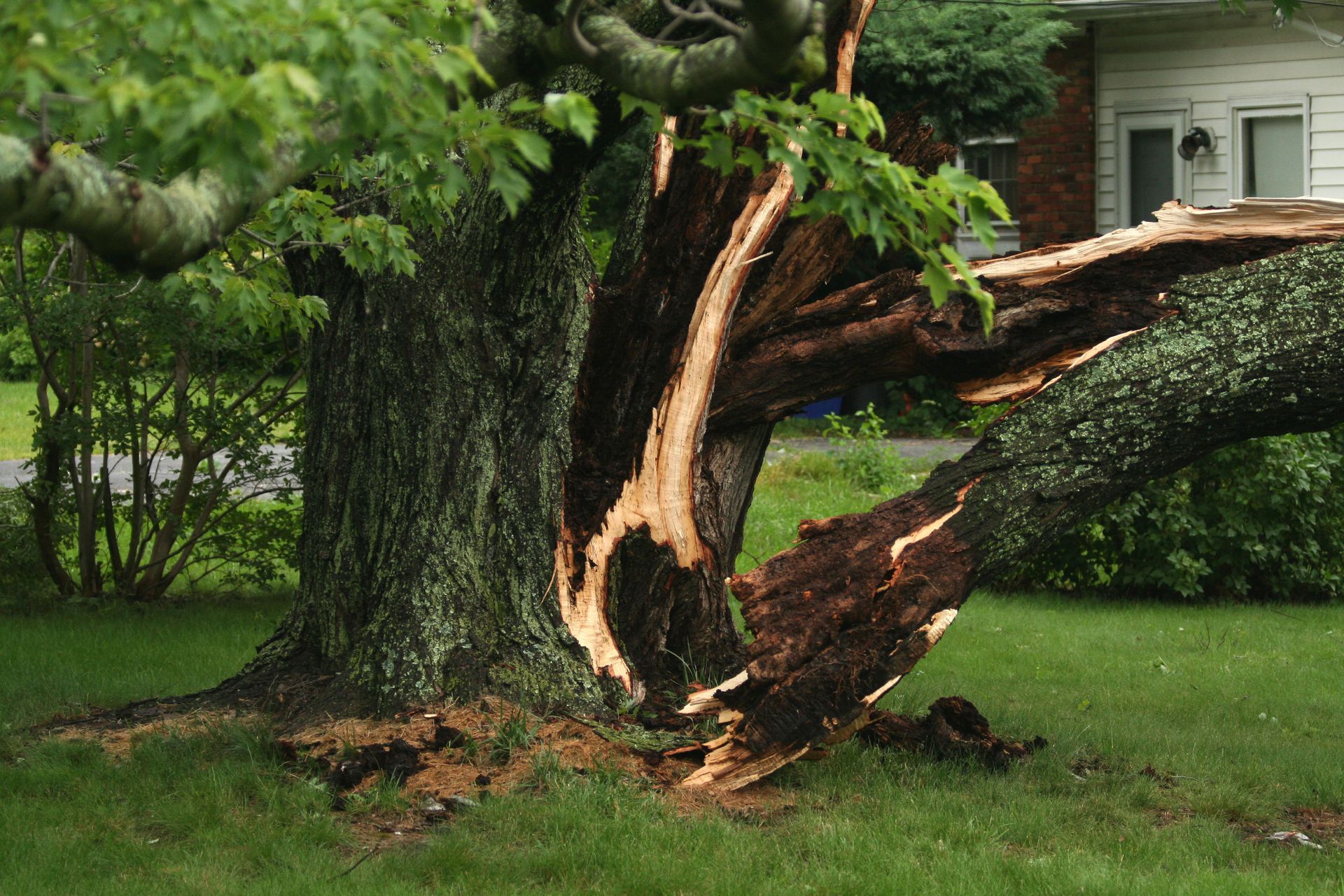
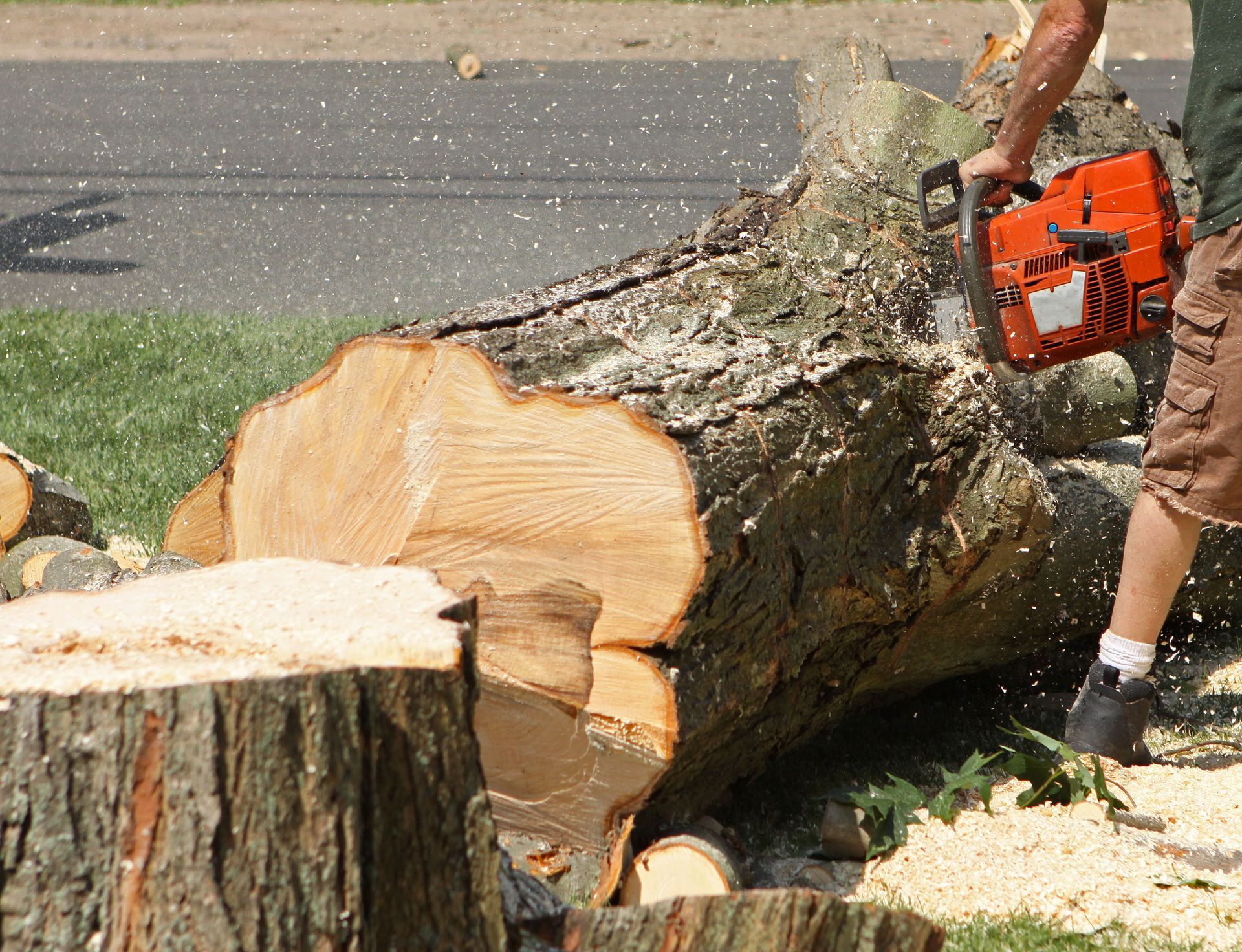
The safe removal of fallen trees is a meticulous and hazardous task best handled by trained professionals. Fallen trees can create significant threats, blocking roads, damaging structures, or entangling power lines. Certified arborists adhere to safety protocols to remove these trees without causing further damage or posing risk to individuals. Using specialized equipment, they ensure the careful dismantling and disposal of debris. Professional intervention ensures that the area is cleared efficiently and safely, allowing homeowners to focus on other important recovery tasks.
Instituting Temporary Protective Measures
Temporary protective measures offer immediate solutions to mitigate damage and risk posed by dangerous trees following a storm. This can include the use of tarps, ropes, or temporary braces to support unstable trees until permanent solutions can be arranged. These quick measures can prevent further damage to property and reduce safety hazards for residents. They serve as stopgap interventions that provide necessary stability and protection in the short term. As homeowners navigate the aftermath of a storm, these measures play a critical role in protecting both individuals and belongings.
By actively engaging in upkeep and professional assessments, homeowners can protect their properties and ensure their trees remain an asset rather than a threat. If you're considering preventative tree removal to protect your home from future
storm damage, reach out to Tree-B-Gone of Green Bay today!